
Best Belt Sander: How to Choose the Perfect Model for Your Needs
Overwhelmed by belt sander options? Discover which features truly matter when selecting the best belt sander for your workshop or job site.
The best belt sander balances power (typically 7-12 amps), belt size (common 3"x21" or 4"x24"), dust collection, and variable speed to handle materials from softwoods to metals effectively and safely.
While cordless models offer portability, professionals consistently prefer corded belt sanders for their unlimited runtime and consistent power - let's examine why.

Corded Belt Sander: Why It Remains the Professional Standard
Frustrated by battery-powered sanders dying mid-project? Here's why corded belt sanders continue to dominate serious woodworking and metalworking applications.
Corded belt sanders provide continuous full-power operation (unlike battery models), with typical 7-12 amp motors maintaining consistent speed under load - essential for smooth finishes and efficient material removal.
Dive Deeper: Corded Belt Sander Performance Factors
Key Specifications Compared:
| Model | Amps | Belt Size | Weight | Best Use Case |
|---|---|---|---|---|
| Budget | 7-8 | 3"x21" | 8-10 lbs | Occasional DIY |
| Prosumer | 9-10 | 3"x24" | 10-12 lbs | Furniture making |
| Industrial | 11-12 | 4"x24" | 12-15 lbs | Metal fabrication |
Critical Features to Evaluate:
Motor Power:
- 7-8 amps: Light duty
- 9-10 amps: General purpose
- 11+ amps: Heavy material removal
Dust Management:
- Bag vs. vacuum port
- Collection efficiency ratings
Vibration Control:
- Counterbalanced motors
- Padded handles
Pro Tip: For extended use, choose models with motor overload protection to prevent burnout during demanding applications.
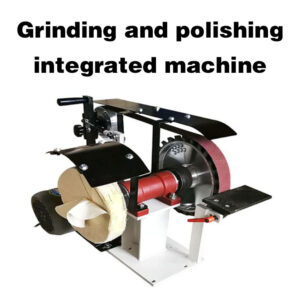
Table Belt Sander: The Shop's Secret Weapon
Need absolute precision in your sanding? A table-mounted belt sander offers game-changing control for detailed work - here's what makes it different.
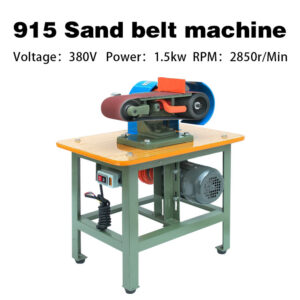
Table belt sanders combine a horizontal work surface with vertical belt orientation, enabling exact-angle sanding and edge work impossible with handheld units, making them ideal for tool sharpening and joinery.
Maximizing Your Table Belt Sander
Setup Configurations:
| Orientation | Best For | Key Accessories |
|---|---|---|
| Horizontal | Flat sanding | Mitre gauge |
| Vertical | Edge work | Sanding jigs |
| Combination | Versatility | Disc attachment |
Specialty Applications:
Knife Making:
- 72" belt models for full blade passes
- Variable speed down to 500 SFPM
Luthier Work:
- Radiused platens for guitar necks
- 1" wide belts for detail work
Joinery Prep:
- Precision angle setting
- Micro-adjustable fences
Safety Note: Always use push sticks when working small pieces, and install a glass viewing window in dust collection ports to monitor belt wear.
Conclusion: Whether choosing a corded workhorse for power or a table-mounted unit for precision, your ideal belt sander depends on intended use frequency, materials, and required precision - invest wisely based on actual needs.