Belt Grinder for Knife Making: The Ultimate Guide to Precision Grinding
Struggling with uneven bevels or overheating your blades? A proper belt grinder is the backbone of professional knife making—here’s how to choose and use one effectively.
For knife making, a belt grinder should feature:
- Variable speed (500-6000 FPM)
- A platen for flat grinding
- 2x72" belt compatibility (industry standard)
- Tool rests for consistent angles
While belt grinders dominate knife making, understanding the broader category of belt sander machines helps you select the right tool for other metalworking tasks.
Belt Sander Machine: Versatility in Metal and Woodworking
Need a machine that handles both rough grinding and fine finishing? Belt sanders bridge the gap between industrial power and precision control.
Key features of a professional belt sander machine:
- Adjustable tracking to prevent belt drift
- Dust extraction ports for clean operation
- Replaceable contact wheels (for convex/concave shaping)
- Stable work tables for repeatable results
Deep Dive: Belt Sander Configurations
Types of Belt Sanders
| Type | Best For | Belt Size | Speed Range |
|---|---|---|---|
| Horizontal | Heavy stock removal | 3x21" | 900-1500 FPM |
| Vertical | Detail work | 1x30" | 1500-3000 FPM |
| Combination (Disc + Belt) | Multi-purpose | 4x36" | 1000-2500 FPM |
| Benchtop | Small workshops | 2x42" | 800-2000 FPM |
Belt Grit Selection Guide
| Grit Range | Purpose | Material Compatibility |
|---|---|---|
| 36-80 | Rapid material removal | Steel, hardened alloys |
| 100-220 | Shaping and beveling | Stainless steel, titanium |
| 320-600 | Fine finishing | Damascus, carbon steel |
| 800+ | Mirror polishing | Final edge refinement |
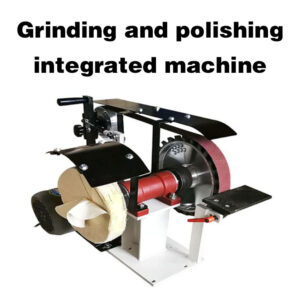
Sand Belt Machine: Choosing the Right Abrasives for Your Project
Why do some belts last longer while others wear out mid-task? The secret lies in matching abrasive belts to your machine and material.
Optimize sand belt performance by considering:
- Abrasive material (ceramic for hard metals, zirconia for general use)
- Backing type (cloth for flexibility, film for precision)
- Bond strength (weak for delicate work, strong for heavy grinding)
Deep Dive: Advanced Belt Technology
Abrasive Types Comparison
| Type | Durability | Best For | Cost |
|---|---|---|---|
| Aluminum Oxide | Medium | Wood, soft metals | $ |
| Zirconia Alumina | High | Stainless steel, alloys | $$ |
| Ceramic | Very High | Titanium, hardened steel | $$$ |
| Silicon Carbide | Low | Glass, composites | $ |
Belt Maintenance Tips
- Break-in New Belts: Run at half speed for 30 seconds to condition abrasive.
- Avoid Overheating: Use lubricants (like WD-40) when grinding hard metals.
- Store Properly: Hang belts or keep in sealed containers to prevent humidity damage.
- Clean Regularly: Use belt cleaners or rubber erasers to remove clogged debris.

Conclusion: Whether crafting knives or tackling industrial projects, mastering belt grinders, sanders, and abrasive selection ensures flawless results while maximizing tool lifespan and efficiency.