
How to Repolish Stainless Steel: The Complete Restoration Guide
Has your stainless steel lost its brilliant luster? Restoring professional-grade shine is easier than you think with proper techniques and the right tools.
To repolish stainless steel: 1) Clean thoroughly 2) Sand scratches with progressively finer grits 3) Apply polishing compounds 4) Buff to mirror finish. Always work with the metal grain for best results.
Before beginning any polishing work, proper cleaning is essential to avoid grinding contaminants into your metal surface.
Clean Polished Stainless Steel Without Damaging the Finish
Are your cleaning efforts actually harming your stainless steel? Most common household cleaners contain ingredients that degrade polished finishes over time.
Clean polished stainless steel using pH-neutral cleaners applied with the grain, followed by purified water rinse and microfiber drying. Never use chlorine, abrasives, or circular wiping motions.
Dive Deeper: Professional Cleaning Methods
Recommended Cleaning Products:
| Product Type | Best For | How to Use |
|---|---|---|
| Commercial stainless cleaner | Routine cleaning | Spray, wipe with grain, buff dry |
| Isopropyl alcohol (70%) | Disinfection | Apply to cloth first, never directly |
| Baby shampoo solution | Large surfaces | 1 tsp per gallon warm water |
| Specialized stainless wipes | Quick touch-ups | Single direction wiping |
Do's and Don'ts:
✅ Do:
- Always wipe in the direction of the grain
- Use distilled water for final rinse
- Dry completely after cleaning
- Apply protective coatings quarterly
❌ Don't:
- Use steel wool or abrasive pads
- Allow cleaners to dry on surface
- Mix different cleaning products
- Clean with circular motions
Special Situations:
Fingerprint Removal:
- Use specialized stainless fingerprint remover
- Works best when applied to microfiber first
Water Spot Treatment:
- White vinegar/water solution (1:3)
- Apply briefly, rinse immediately
Industrial Grease Removal:
- Use citrus-based degreasers
- May require multiple applications
How to Polish a Stainless Steel Sink Like a Professional
Tired of looking at dull, scratched sink surfaces? Commercial kitchens use these techniques to maintain showroom-quality stainless sinks for decades.
Polish a stainless steel sink by: 1) Removing heavy soils 2) Sanding out scratches 3) Applying polishing compounds 4) Finishing with protectant. Focus on the grain direction, and never use products containing bleach.
Dive Deeper: Sink-Specific Polishing Techniques
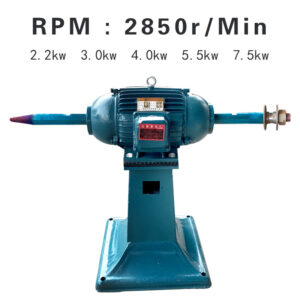
Tools You'll Need:
Basic Setup:
- Non-abrasive scrub pad
- 400-800 grit wet/dry sandpaper
- Polishing compound (paste preferred)
- Felt buffing pad for drill
- Food-grade stainless protectant
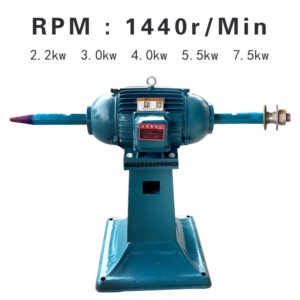
Professional Setup:
- Random orbital polisher
- Multiple compounding wheels
- Diamond abrasive paste set
- Commercial-grade polishing kit
Step-By-Step Process:
Deep Cleaning:
- Remove all debris and dry
- Apply baking soda paste to tough stains
- Let sit 10 minutes before rinsing
Scratch Removal:
- Start with 400 grit on visible scratches
- Progress to 800 grit for fine finishing
- Always keep surface wet during sanding
Polishing Stage:
- Apply nickel-specific polishing compound
- Use slow, overlapping passes
- Clean between compound changes
Final Protection:
- Apply food-safe stainless coating
- Buff to high shine
- Reapply monthly for best results
Pro Maintenance Tips:
- Place rubber matting in sink base to prevent scratches
- Rinse thoroughly after acidic foods contact surface
- Use specialized sink polishing sticks for touch-ups
- Avoid leaving wet sponges or steel wool in sink
Common Problem Areas:
- Drain Area: Requires extra attention to prevent pitting
- Faucet Base: Often accumulates hard water deposits
- Sink Bottom: Prone to utensil scratches during washing
Conclusion: Regular cleaning and periodic repolishing keeps stainless steel looking its best for decades. Always match products and techniques to your specific use case and stainless steel grade.