
How to Polish Stainless Steel Like a Professional Metalworker?
Does your stainless steel look dull and scratched no matter how much you clean it? Professional results require the right techniques – not just elbow grease.
To properly polish stainless steel, always work with the grain using specialized compounds, progressing from coarse to fine abrasives. The process differs for brushed vs mirror finishes – using the wrong method can permanently damage surfaces.
The foundation of any good polishing job starts with selecting the right compound for your specific stainless steel application and finish type.
Stainless Steel Polishing Compound: Which One Actually Works?
Overwhelmed by the dozens of polishing compounds on the shelf? Choosing wrong can mean hours of wasted effort and unsatisfactory results.
For stainless steel, select compounds based on the desired finish: rouge for mirror polishing, tripoli for satin finishes, and diamond compounds for removing deep scratches. Always match the compound grit to your polishing wheel type.
Dive Deeper: Compound Selection Guide
Polishing Compound Comparison:
| Type | Best For | Grit Equivalent | Wheel Type |
|---|---|---|---|
| Tripoli | Initial cutting | 180-220 | Sisal |
| White Rouge | Final polishing | 600-800 | Loose cotton |
| Green Rouge | Mirror finish | 1200-1500 | Felt |
| Diamond | Scratch removal | 50-100 micron | Hard wheel |
Application Tips:
- Start with a test spot in inconspicuous area
- Apply compound sparingly to wheel (overloading causes swirls)
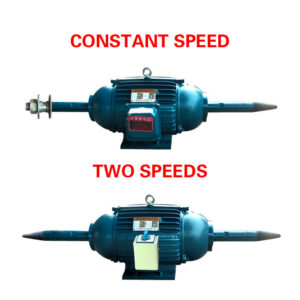
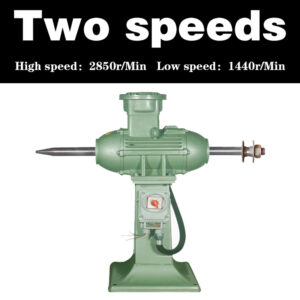
- Maintain moderate speed (2,500-3,000 RPM for bench grinders)
- Clean thoroughly between compound changes
Safety Note: Always wear eye protection and a respirator – metal polishing creates fine airborne particles.
How to Polish Scratches Out of Stainless Steel Without Making It Worse?
Made the common mistake of trying to buff out scratches with whatever cleaner was handy? Haphazard approaches often amplify the damage.
Remove stainless steel scratches systematically by first identifying their depth, then using progressively finer abrasives from sandpaper to polishing compounds – always following the grain direction to maintain the metal's structure.
Dive Deeper: Scratch Removal Protocol
Scratch Depth Assessment:
| Visual Clue | Depth | Removal Method |
|---|---|---|
| Catches fingernail | Deep | Start with 220 grit sandpaper |
| Visible but smooth | Medium | 400 grit wet sanding |
| Only visible at angles | Surface | Polishing compound only |
Step-by-Step Repair:
- Clean area with alcohol to remove oils
- Sand with grain using lubricant (WD-40 or water)
- Progress through grits (220 → 400 → 600 → 800)
- Switch to polishing compounds (tripoli → rouge)
- Final pass with stainless steel polish
Pro Tip: For brushed finishes, restore grain after polishing using a Scotch-Brite pad in one consistent direction.
Common Pitfalls:
- Using circular motions (creates visible swirls)
- Skipping grit steps (leaves deeper scratches)
- Overheating the metal (causes discoloration)

Conclusion: Perfect stainless steel polishing combines the right compounds with meticulous grain-following technique – patience in removing scratches preserves your metal's longevity and appearance.