
Benchtop Belt Sander: A Must-Have for Your Workshop?
leading paragraph: Struggling with uneven finishes or slow grinding tasks? A benchtop belt sander might be the solution you’ve been missing.
snippet paragraph: A benchtop belt sander is a versatile tool designed for smoothing, shaping, and finishing wood or metal surfaces quickly and efficiently. Its compact size makes it ideal for small workshops.
Transition Paragraph: But how does it compare to other sanding tools? Let’s dive deeper to understand its unique benefits and applications.

Bench Grinder Belt Sander: What’s the Difference?
Confused between a bench grinder and a belt sander? Each serves distinct purposes, and choosing the right one can save you time and effort.
A bench grinder belt sander combines grinding and sanding functions, making it perfect for heavy-duty tasks like sharpening tools or removing large amounts of material quickly.
Key Differences Between Bench Grinders and Belt Sanders
| Feature | Bench Grinder | Belt Sander |
|---|---|---|
| Primary Use | Sharpening, grinding metals | Sanding, shaping wood/metal |
| Speed | High RPM for grinding | Adjustable speeds for sanding |
| Belt/Grit Options | Limited to grinding wheels | Wide range of grits available |
When to Use Each Tool
- Bench Grinder: Ideal for tasks requiring precision grinding or sharpening metal tools.
- Belt Sander: Better suited for smoothing surfaces or shaping wood and softer materials.

Sand Belt Grinder: Why Choose This Hybrid Tool?
Need a tool that bridges the gap between grinding and sanding? A sand belt grinder could be your workshop’s new powerhouse.
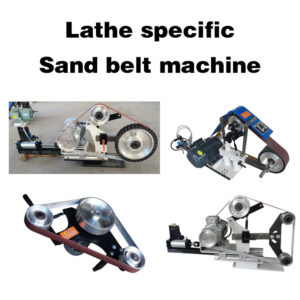
A sand belt grinder combines the durability of a bench grinder with the versatility of a belt sander, offering superior performance for both metal and woodworking tasks.
Benefits of a Sand Belt Grinder
- Versatility: Swap between grinding and sanding belts for different tasks.
- Efficiency: Reduces the need for multiple tools, saving workspace and cost.
- Precision: Adjustable settings allow for fine-tuning based on material needs.
Applications
- Metalworking: Deburring, sharpening, and finishing welds.
- Woodworking: Sanding curved surfaces or shaping intricate designs.
Conclusion: Whether you’re refining wood or grinding metal, choosing the right sander or grinder depends on your specific needs—each tool offers unique advantages.