
Belt Milwaukee Sander: Can It Be Used as a Knife Sharpener?
Tired of dull knives ruining your cooking experience? Discover if your Milwaukee belt sander can double as a knife sharpener and save time and money.
Yes, a Milwaukee belt sander can sharpen knives effectively by using fine-grit sanding belts. Adjust the speed and angle for precision, ensuring a razor-sharp edge without damaging the blade.
Intrigued by the idea of using your belt sander for knife sharpening? Let’s dive deeper into how to do it safely and efficiently.
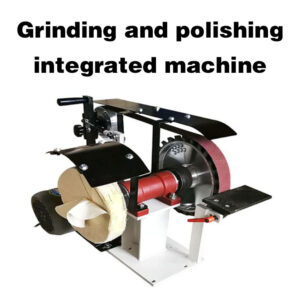
Belt Sander Knife Sharpener: How Does It Work?
Wondering how to transform your belt sander into a reliable knife sharpener? Here’s a step-by-step guide to achieving professional-grade results at home.
To use a belt sander as a knife sharpener, follow these steps: choose a fine-grit belt, set the speed to low, hold the blade at a consistent angle (15-20 degrees), and move it smoothly across the belt.
Mastering Knife Sharpening with a Belt Sander
Using a belt sander for knife sharpening requires attention to detail to avoid overheating or damaging the blade. Here’s a breakdown of the process:
Key Steps:
Select the Right Belt Grit:
- Coarse (60-120 grit): For repairing nicks or reshaping blades.
- Fine (400-600 grit): For sharpening and polishing.
- Extra Fine (800+ grit): For mirror finishes.
Set Up the Sander:
- Secure the sander firmly.
- Use the lowest speed setting to prevent overheating.
Sharpen the Knife:
- Hold the knife at a 15-20 degree angle.
- Move the blade from heel to tip in smooth, even strokes.
- Alternate sides for balanced sharpening.
Common Mistakes to Avoid:
| Mistake | Consequence | Solution |
|---|---|---|
| High Speed | Overheating the blade | Use low speed settings |
| Incorrect Angle | Uneven edge | Maintain consistent angle |
| Excessive Pressure | Damaged belt or blade | Apply light, even pressure |
For best results, start with a coarse belt for reshaping and progress to finer grits for a polished edge.
Knife Belt Sander: Is It Worth the Investment?
Considering buying a dedicated knife belt sander? Here’s what you need to know about its benefits and whether it’s a worthwhile purchase for your needs.
A dedicated knife belt sander offers precise control, variable speeds, and specialized attachments, making it ideal for professionals or frequent sharpeners who demand perfection.
Dive Deeper: Pros and Cons of Dedicated Knife Belt Sanders
When deciding whether to invest in a dedicated unit, consider the following:
Pros:
- Precision: Designed exclusively for knife sharpening.
- Variable Speed: Adjustable for different blade types.
- Attachments: Often includes angle guides and cooling systems.
Cons:
- Cost: Higher price than repurposing a belt sander.
- Space: Requires storage space for an additional tool.
Who Should Buy One?
- Professional chefs or butchers.
- Hobbyists who sharpen knives frequently.
- Businesses requiring consistent, high-quality results.

Conclusion: A Milwaukee belt sander can sharpen knives effectively, but for frequent use, a dedicated knife belt sander may be worth the investment for precision and ease.