
Polish Stainless Steel: The Ultimate Guide for Flawless Results
Is your stainless steel looking dull and scratched? With the right techniques, you can restore its shine to like-new condition—here’s how.
Polishing stainless steel involves cleaning, sanding scratches, applying polishing compounds, and buffing to a high finish. Always work with the metal’s grain for professional results.
Before diving into polishing, it’s crucial to understand the correct methods for different stainless steel applications—whether it’s a sink, appliance, or decorative piece.
Polish Stainless Steel Sink Like a Pro
Does your stainless steel sink look dirty no matter how much you scrub it? Learn the techniques professionals use to keep restaurant kitchens gleaming.
To polish a stainless steel sink:
- Deep clean with a degreaser
- Sand out scratches with 400–800 grit sandpaper
- Polish with a metal-safe compound
- Apply a food-safe protective coating
Dive Deeper: Professional Sink Polishing
Best Products for Stainless Steel Sinks
| Product Type | Purpose | Recommended Brands |
|---|---|---|
| Degreaser | Removes oils and grime | Krud Kutter, Simple Green |
| Polishing Compound | Restores shine & removes scratches | Flitz, Mother’s Mag & Aluminum |
| Protective Coating | Prevents water spots and corrosion | WD-40 Specialist, 3M Stainless Steel Cleaner |
Step-by-Step Sink Polishing Guide
Prep the Surface:
- Remove food debris and rinse.
- Apply degreaser and scrub with a non-abrasive pad.
- Rinse and dry thoroughly.
Remove Scratches:
- Wet-sand with 400 grit sandpaper (for deep scratches).
- Progress to 600–800 grit for a smooth finish.
- Always sand in the direction of the grain.
Polish to Shine:
- Apply a polishing compound with a microfiber cloth.
- Buff in circular motions for uniformity.
- Wipe off excess residue with a clean cloth.
Seal & Protect:
- Spray a protective coating.
- Buff dry for a long-lasting shine.
Pro Tip: After polishing, wipe down your sink after each use to maintain the finish.
Mirror Polished Stainless Steel: Achieving a Perfect Reflective Finish
Want stainless steel so shiny it reflects like a mirror? It’s possible—but requires the right tools and patience.
Mirror polishing stainless steel requires:
- Sequential sanding (220 to 3000+ grit)
- Polishing with fine compounds
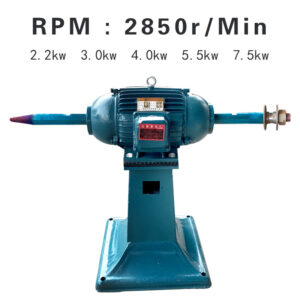
- Buffing with a high-speed wheel for maximum reflectivity
Dive Deeper: The Secret to a True Mirror Finish
Grit Progression for Mirror Polishing
| Grit Level | Purpose | Tool/Technique |
|---|---|---|
| 220–400 | Remove deep scratches | Wet sanding (hand or orbital) |
| 600–800 | Smooth surface for polishing | Random orbital sander |
| 1000–1500 | Prep for final buffing | Hand-sanding or fine pads |
| 2000–3000+ | Ultra-fine finishing | Microfiber polishing pads |
Professional Mirror Polishing Steps
Initial Sanding
- Start with coarse grit (if needed).
- Progress through finer grits in sequence.
- Clean the surface between grit changes.
High-Speed Polishing
- Apply a rouge or diamond polishing compound.
- Use a buffing wheel at 1500+ RPM.
Final Hand Buffing
- Apply a fine polishing paste (like jeweler’s rouge).
- Hand-buff with microfiber for perfection.
Maintaining a Mirror Finish:
- Avoid abrasive cleaners.
- Use only microfiber cloths for cleaning.
- Reapply a protective sealant periodically.

Conclusion: Whether you’re polishing a sink or aiming for a flawless mirror finish, the right techniques and products make all the difference. Regular maintenance keeps stainless steel looking its best for years.