
Belt Sander: Your Workshop Powerhouse
Belt Sander for Knife Making: Precision Power Unleashed
Knife making demands precision, control, and the ability to efficiently shape and finish tough steels. This elevates the belt sander from a simple workshop tool to an indispensable cornerstone of the knifemaker's arsenal.
- Core Advantages:
- Unmatched Material Removal: Aggressively grind profiles, bevels, tangs, and handle materials far faster than files or sandpaper by hand.
- Shaping & Profiling: Effortlessly create complex blade contours, finger grooves, plunge lines, and handle ergonomics.
- Grinding Bevels: Using fixtures (jigs) or freehand skill, a stable platform is essential for achieving clean, straight, and symmetrical bevels.
- Refinement & Polishing: Progress through finer grit belts for final edge refinement, scratch removal, and achieving stunning finishes (satin, hand-rubbed, even near-polish).
- Handle Shaping: Quickly profile and refine wood, micarta, G10, and other handle scale materials.
- Essential Features for Knifemaking (Beyond Basic Sanding):
- Robust Motor (1HP + recommended): Demolishes steel quickly without bogging down; underpowered motor = frustration.
- Variable Speed: Crucial! Low speeds for precise profiling and finishing; high speeds for heavy stock removal. Protects blade temper when grinding hardened steel.
- Stable, Solid Work Platform/Platen: A flat, hardened steel or glass platen is mandatory for flat grinding and sharp plunge lines.
- Tracking Adjustment: Essential for keeping the belt running true, critical for consistent grinding and avoiding ruining blades or belts.
- Durable Construction: Knifemaking generates intense forces and abrasion dust; the machine must be solidly built.
- Auxiliary Work Rest/Guide: Significantly aids in holding consistent angles during profiling and bevel grinding. Fixture compatibility is a bonus.
- Dust Collection Port: Absolutely vital! Metal dust (especially from handle materials like G10) is hazardous. Connect it to a powerful shop vac/dust collector.

- Evaluation: Ridgid 2100 for Knifemaking
- The Good:
- Availability & Price Point: Widely available at home centers (like Home Depot), offering knifemaking capability at a significantly lower entry cost than dedicated 2x72 grinders.
- Solid Construction: Generally well-built/sturdy for its price bracket. Cast iron components add mass and stability.
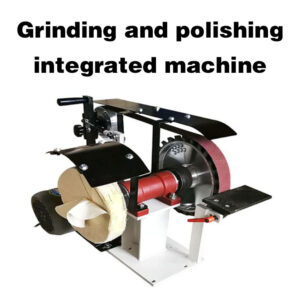
- Integrated Disc Sander: The included 6" disc sander is excellent for flattening handle scales, squaring shoulders, and cleaning up tangs/hardware. A major plus.
- Tilting Table: Useful for precise angle sanding on the belt section (e.g., handles, fixture setup).
- Belt Tracking: The knob adjustment works effectively to keep belts aligned.
- Good Sized Platform: The platen/work area provides decent support compared to smaller hobby sanders.
- The Challenges (for dedicated Knifemaking):
- Lack of Variable Speed: This is the major drawback. Fixed high speed makes controlling heat on hardened steel difficult, increasing warping/ruining temper risk. Limits precision grinding/polishing on blades. Reduces belt life. Adding an external variable speed controller (like a router speed control) is strongly recommended to mitigate this.
- Motor Power (1/2 HP): Adequate for lightweight stock removal, profiling softer steel/stainless, and handles. Can bog down significantly during aggressive bevel grinding on larger knives or harder steels compared to 1HP+ machines or 2x72 grinders. Patience required.
- Belt Size (4x36): Limited selection and higher per-foot cost compared to standard 2" wide belts used in knifemaking (like 2x42 or 2x72). Fewer premium abrasive choices for knife steels.
- Platen: Typically a thick steel plate. Functional, but prone to scratching/becoming non-flat. Many users upgrade to a tool steel or hardened glass platen for better durability/flatter grinding surface. The platen's shape/size might lack ideal ergonomics for complex blade shapes compared to purpose-built knife grinders.
- Work Rest (Slightly short): Less surface area than preferred for securing long knife blanks or extensive use of a grinding jig for bevels. Upgrading/widening it is common.
Conclusion:
The 2100 is a capable mid-level home shop belt/disc sander that can be used for knifemaking, especially for beginners or hobbyists focusing on softer steels, handle making, and lighter blade profiling. Its solid build, integrated disc sander, and accessible price make it attractive. However, its fixed high speed and modest (1/2 HP) motor power present significant limitations for serious blade grinding on harder steels or high-volume work. Adding a variable speed controller is nearly mandatory for blade work.
Best Suited For: Hobbyist knifemakers starting out, makers focusing heavily on handles/fixed blades from annealed/pre-hardened pre-cut blanks, or those needing a good belt/disc combo primarily for other workshop tasks where knifemaking is occasional.
- Consider Moving Up To if: Making large quantities, working primarily with hardened high-alloy steels, demanding precision bevel work on longer/thicker blades, or wanting more convenience/belt longevity. A robust 1HP+ 2x42 sander or a dedicated entry-level 2x72 knifemaker's grinder is the standard recommendation for overcoming these limitations and offering more knifemaking specific features.