
Belt Sander: Built for Pros or Overkill for DIY?
Need industrial-grade performance for heavy sanding tasks? Belt sanders are workhorses trusted by contractors and serious woodworkers worldwide.
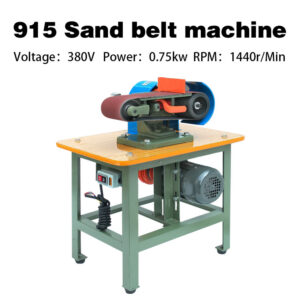
Belt sanders combine rugged aluminum construction with high-torque motors, delivering unmatched material removal rates while maintaining precision for finish work. Their dust extraction systems set them apart for cleaner workspaces.
But the real magic happens when you pair these beasts with the right abrasives - let's examine the 4x36 sanding belt standard that dominates professional shops.
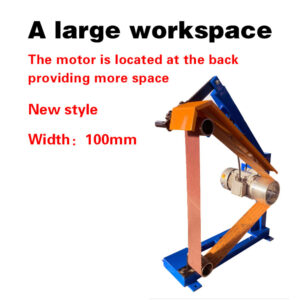
4x36 Sanding Belt: The Gold Standard for Versatility?
Why do most pro-grade belt sanders use 4x36 belts? This size hits the sweet spot between surface coverage and maneuverability across materials.
The 4-inch width provides stability for flattening surfaces, while the 36-inch length balances durability and heat dissipation. These belts are available in grits from 36 (aggressive stock removal) to 220 (fine finishing).
Breakdown of 4x36 Belt Performance
Grit Selection Guide
| Grit Range | Best For | Material | Belt Life |
|---|---|---|---|
| 36-60 | Heavy material removal | Hardwoods, weld cleanup | Short |
| 80-120 | General purpose shaping | Softwoods, aluminum | Moderate |
| 150-220 | Final finishing | All materials | Longest |
Top Belt Technologies
- Zirconia Alumina - Best for metal/wood combo work
- Ceramic - Premium choice for hardwoods/metals
- Silicon Carbide - Ideal for non-ferrous metals
Pro Tip: Keep a "break-in" belt for new sanders - run a used 80-grit belt for 5 minutes to condition the platen

Belt Sander for Metal: Can Handle the Heat?
Metalworking demands different sanding techniques than wood - can DeWalt's belt sanders really stand up to steel and aluminum day after day?
Metal-capable belt sanders feature:
- 8-12 amp motors that resist bogging down
- Sealed bearings against metal dust ingress
- Variable speed controls (essential for non-ferrous metals)
Metal-Specific Sanding Techniques
Speed Settings by Metal Type
| Metal | Recommended Speed (SFPM) | Best Grit Start Point |
|---|---|---|
| Mild Steel | 3,000-4,500 | 80 zirconia |
| Stainless | 2,500-3,500 | 120 ceramic |
| Aluminum | 1,500-2,500 | 100 silicon carbide |
| Copper/Brass | 1,000-1,500 | 150 SC or AlOx |
Critical Accessories for Metalwork:
- Ceramic Glass Platen - Prevents adhesive transfer from hot belts
- Non-Marring Contact Wheel - For concave surfaces
- Magnetic Featherboard - Secures small metal pieces
Safety Note: Always use a respirator - metal dust poses serious health risks
Conclusion:
From pro-grade sanders to optimized 4x36 belts and metal-specific techniques, mastering these combinations unlocks professional results across materials. The right setup pays for itself in time saved and superior finishes.